

July 21st Current Affairs
UPSC Current Affairs – September 18th
Stay connected via Google News Follow us for the latest travel updates and guides. September 18th Current Affairs <a href=”https://primusias.com”>Home</a> / <h4> Table of Contents </h4> <svg aria-hidden=”true” viewBox=”0 0 448 512″ xmlns=”http://www.w3.org/2000/svg”><path d=”M207.029 381.476L12.686 187.132c-9.373-9.373-9.373-24.569 0-33.941l22.667-22.667c9.357-9.357 24.522-9.375 33.901-.04L224 284.505l154.745-154.021c9.379-9.335 24.544-9.317 33.901.04l22.667 22.667c9.373 9.373 9.373 24.569 0 33.941L240.971 381.476c-9.373 9.372-24.569
UPSC Current Affairs – September 17th
Stay connected via Google News Follow us for the latest travel updates and guides. September 17th Current Affairs <a href=”https://primusias.com”>Home</a> / <h4> Table of Contents </h4> <svg aria-hidden=”true” viewBox=”0 0 448 512″ xmlns=”http://www.w3.org/2000/svg”><path d=”M207.029 381.476L12.686 187.132c-9.373-9.373-9.373-24.569 0-33.941l22.667-22.667c9.357-9.357 24.522-9.375 33.901-.04L224 284.505l154.745-154.021c9.379-9.335 24.544-9.317 33.901.04l22.667 22.667c9.373 9.373 9.373 24.569 0 33.941L240.971 381.476c-9.373 9.372-24.569
UPSC Current Affairs – September 16th
Stay connected via Google News Follow us for the latest travel updates and guides. September 16th Current Affairs <a href=”https://primusias.com”>Home</a> / <h4> Table of Contents </h4> <svg aria-hidden=”true” viewBox=”0 0 448 512″ xmlns=”http://www.w3.org/2000/svg”><path d=”M207.029 381.476L12.686 187.132c-9.373-9.373-9.373-24.569 0-33.941l22.667-22.667c9.357-9.357 24.522-9.375 33.901-.04L224 284.505l154.745-154.021c9.379-9.335 24.544-9.317 33.901.04l22.667 22.667c9.373 9.373 9.373 24.569 0 33.941L240.971 381.476c-9.373 9.372-24.569
UPSC Current Affairs – September 11th
Stay connected via Google News Follow us for the latest travel updates and guides. September 11th Current Affairs <a href=”https://primusias.com”>Home</a> / <h4> Table of Contents </h4> <svg aria-hidden=”true” viewBox=”0 0 448 512″ xmlns=”http://www.w3.org/2000/svg”><path d=”M207.029 381.476L12.686 187.132c-9.373-9.373-9.373-24.569 0-33.941l22.667-22.667c9.357-9.357 24.522-9.375 33.901-.04L224 284.505l154.745-154.021c9.379-9.335 24.544-9.317 33.901.04l22.667 22.667c9.373 9.373 9.373 24.569 0 33.941L240.971 381.476c-9.373 9.372-24.569
UPSC Current Affairs – September 10th
Stay connected via Google News Follow us for the latest travel updates and guides. September 9th Current Affairs <a href=”https://primusias.com”>Home</a> / <h4> Table of Contents </h4> <svg aria-hidden=”true” viewBox=”0 0 448 512″ xmlns=”http://www.w3.org/2000/svg”><path d=”M207.029 381.476L12.686 187.132c-9.373-9.373-9.373-24.569 0-33.941l22.667-22.667c9.357-9.357 24.522-9.375 33.901-.04L224 284.505l154.745-154.021c9.379-9.335 24.544-9.317 33.901.04l22.667 22.667c9.373 9.373 9.373 24.569 0 33.941L240.971 381.476c-9.373 9.372-24.569
UPSC Current Affairs – September 9th
Stay connected via Google News Follow us for the latest travel updates and guides. September 9th Current Affairs <a href=”https://primusias.com”>Home</a> / <h4> Table of Contents </h4> <svg aria-hidden=”true” viewBox=”0 0 448 512″ xmlns=”http://www.w3.org/2000/svg”><path d=”M207.029 381.476L12.686 187.132c-9.373-9.373-9.373-24.569 0-33.941l22.667-22.667c9.357-9.357 24.522-9.375 33.901-.04L224 284.505l154.745-154.021c9.379-9.335 24.544-9.317 33.901.04l22.667 22.667c9.373 9.373 9.373 24.569 0 33.941L240.971 381.476c-9.373 9.372-24.569
Alaska Earthquakes
Why in News?
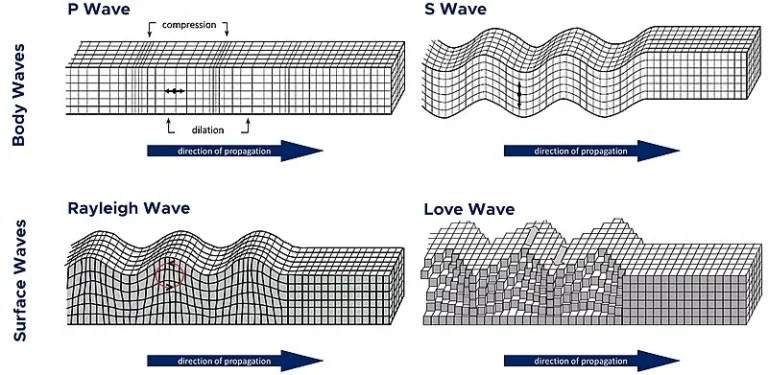
- On July 21, 2025, Alaska Peninsula was struck by a magnitude 6.2 earthquake at a shallow depth of 48 km—hours after a larger M 7.3 quake on July 17, which occurred at 36 km depth and triggered a tsunami warning
- Both quakes were followed by alerts due to heightened aftershock and tsunami risks.
Context
- Alaska sits on the Aleutian subduction zone, where the Pacific Plate dives under the North American Plate—making it among the earth’s most seismically active regions.
- Shallow quakes (<70 km) are more destructive due to stronger ground shaking
Past Instances
- Historical mega-earthquakes:
- 1964 magnitude 9.2 quake caused a colossal tsunami across the Pacific, killing ~130 in Alaska and Hawaii
- 1958 Lituya Bay quake (7.8–8.3 M) triggered a “megatsunami” wave over 500 m high
Global Response
- Tsunami warnings were issued post-7.3 quake; evacuations were precautionary and later downgraded after low wave activity.
- U.S. alerts leverage sirens, media, and door-to-door outreach—as practiced during the 1964 disaster—highlighting effective systems despite warning fatigue.
Implications
- Frequent shallow quakes stress the need for robust seismic monitoring, reliable tsunami procedures, and sustained public awareness.
- Warning fatigue is a concern: communities with regular false alarms may become complacent.
Earthquake Vulnerability in India
- Regions like Himalayan foothills and Andaman-Nicobar subduction zone remain highly vulnerable, notably during events like the 2004 tsunami.
NDMA Guidelines
- NDMA emphasizes:
- Seismic zoning and mapping of vulnerable coastal districts.
- Comprehensive early warning systems ( tide gauges, buoys, INCOIS network).
- Awareness outreach using SMS, sirens, radio, and door-to-door alerts.
- Infrastructure resilience via tsunami-resilient constructions, elevated safe zones.
Coordinated crisis management across national, state, and local bodies.
Best Practices
- Tsunami Vulnerability Zones: Countries like Japan, Chile, and the U.S. West Coast conduct regular drills, enforce tsunami evacuation routes, and maintain community shelters.
- Real-time seismic monitoring (like INCOIS) integrates global data networks and automated alerts to ensure readiness.
- Community drills, education, and resilient urban planning are essential for preparedness and resilience.
Way Forward
Focus Area | Action Items |
Monitoring & Alerts | Enhance seismic and ocean sensors; ensure real-time data sharing |
Public Awareness | Regular community drills; address warning fatigue via meaningful alerts |
Infrastructure Resilience | Implement coastal zoning, build elevated shelters, train first responders |
Policy & Coordination | Strengthen coordination across agencies; invest in R&D for prediction methods |
Global Collaboration | Share best practices; align with UNESCO-IOC Pacific Tsunami Warning System |
Conclusion
Alaska’s recent quakes serve as a stark reminder that shallow-focus seismic activity in subduction zones demands enduring vigilance—from monitoring and emergency response to community engagement and infrastructure resilience. India, informed by frameworks like the NDMA guidelines, must continue investing in early warning systems, coastal planning, and public preparedness, learning from global best practices to safeguard its own vulnerable zones.
Prelims MCQ
Q. With reference to earthquakes, consider the following statements:
- Primary (P) waves are the fastest seismic waves and can travel through both solids and liquids.
- Richter scale and Moment Magnitude Scale (Mw) are both used to measure the energy released by an earthquake.
- Seismographs record ground motion and help determine the epicenter and depth of an earthquake.
Which of the statements given above is/are correct?
A. 1 and 2 only
B. 2 and 3 only
C. 1 and 3 only
D. 1, 2 and 3
Answer: D. 1, 2 and 3
Explanation:
- Statement 1 – Correct. P-waves are longitudinal waves and are the fastest. They travel through solids, liquids, and gases, unlike S-waves which cannot travel through liquids.
- Statement 2 – Correct. The Richter Scale is an older method, while the Moment Magnitude Scale (Mw) is currently preferred. Both measure magnitude, i.e., the energy released.
- Statement 3 – Correct. Seismographs (or seismometers) detect and record seismic waves, helping determine location (epicenter), depth, and magnitude.
Mains Question
Q. In the context of the recent earthquakes in Alaska, examine the geological reasons for such seismic activity and suggest measures for tsunami preparedness in coastal regions. (10 marks, 150 words)
Related
Discover more from Primus Civil Services Academy
Subscribe to get the latest posts sent to your email.