

July 21st Current Affairs
UPSC Current Affairs – September 18th
Stay connected via Google News Follow us for the latest travel updates and guides. September 18th Current Affairs <a href=”https://primusias.com”>Home</a> / <h4> Table of Contents </h4> <svg aria-hidden=”true” viewBox=”0 0 448 512″ xmlns=”http://www.w3.org/2000/svg”><path d=”M207.029 381.476L12.686 187.132c-9.373-9.373-9.373-24.569 0-33.941l22.667-22.667c9.357-9.357 24.522-9.375 33.901-.04L224 284.505l154.745-154.021c9.379-9.335 24.544-9.317 33.901.04l22.667 22.667c9.373 9.373 9.373 24.569 0 33.941L240.971 381.476c-9.373 9.372-24.569
UPSC Current Affairs – September 17th
Stay connected via Google News Follow us for the latest travel updates and guides. September 17th Current Affairs <a href=”https://primusias.com”>Home</a> / <h4> Table of Contents </h4> <svg aria-hidden=”true” viewBox=”0 0 448 512″ xmlns=”http://www.w3.org/2000/svg”><path d=”M207.029 381.476L12.686 187.132c-9.373-9.373-9.373-24.569 0-33.941l22.667-22.667c9.357-9.357 24.522-9.375 33.901-.04L224 284.505l154.745-154.021c9.379-9.335 24.544-9.317 33.901.04l22.667 22.667c9.373 9.373 9.373 24.569 0 33.941L240.971 381.476c-9.373 9.372-24.569
UPSC Current Affairs – September 16th
Stay connected via Google News Follow us for the latest travel updates and guides. September 16th Current Affairs <a href=”https://primusias.com”>Home</a> / <h4> Table of Contents </h4> <svg aria-hidden=”true” viewBox=”0 0 448 512″ xmlns=”http://www.w3.org/2000/svg”><path d=”M207.029 381.476L12.686 187.132c-9.373-9.373-9.373-24.569 0-33.941l22.667-22.667c9.357-9.357 24.522-9.375 33.901-.04L224 284.505l154.745-154.021c9.379-9.335 24.544-9.317 33.901.04l22.667 22.667c9.373 9.373 9.373 24.569 0 33.941L240.971 381.476c-9.373 9.372-24.569
UPSC Current Affairs – September 11th
Stay connected via Google News Follow us for the latest travel updates and guides. September 11th Current Affairs <a href=”https://primusias.com”>Home</a> / <h4> Table of Contents </h4> <svg aria-hidden=”true” viewBox=”0 0 448 512″ xmlns=”http://www.w3.org/2000/svg”><path d=”M207.029 381.476L12.686 187.132c-9.373-9.373-9.373-24.569 0-33.941l22.667-22.667c9.357-9.357 24.522-9.375 33.901-.04L224 284.505l154.745-154.021c9.379-9.335 24.544-9.317 33.901.04l22.667 22.667c9.373 9.373 9.373 24.569 0 33.941L240.971 381.476c-9.373 9.372-24.569
UPSC Current Affairs – September 10th
Stay connected via Google News Follow us for the latest travel updates and guides. September 9th Current Affairs <a href=”https://primusias.com”>Home</a> / <h4> Table of Contents </h4> <svg aria-hidden=”true” viewBox=”0 0 448 512″ xmlns=”http://www.w3.org/2000/svg”><path d=”M207.029 381.476L12.686 187.132c-9.373-9.373-9.373-24.569 0-33.941l22.667-22.667c9.357-9.357 24.522-9.375 33.901-.04L224 284.505l154.745-154.021c9.379-9.335 24.544-9.317 33.901.04l22.667 22.667c9.373 9.373 9.373 24.569 0 33.941L240.971 381.476c-9.373 9.372-24.569
UPSC Current Affairs – September 9th
Stay connected via Google News Follow us for the latest travel updates and guides. September 9th Current Affairs <a href=”https://primusias.com”>Home</a> / <h4> Table of Contents </h4> <svg aria-hidden=”true” viewBox=”0 0 448 512″ xmlns=”http://www.w3.org/2000/svg”><path d=”M207.029 381.476L12.686 187.132c-9.373-9.373-9.373-24.569 0-33.941l22.667-22.667c9.357-9.357 24.522-9.375 33.901-.04L224 284.505l154.745-154.021c9.379-9.335 24.544-9.317 33.901.04l22.667 22.667c9.373 9.373 9.373 24.569 0 33.941L240.971 381.476c-9.373 9.372-24.569
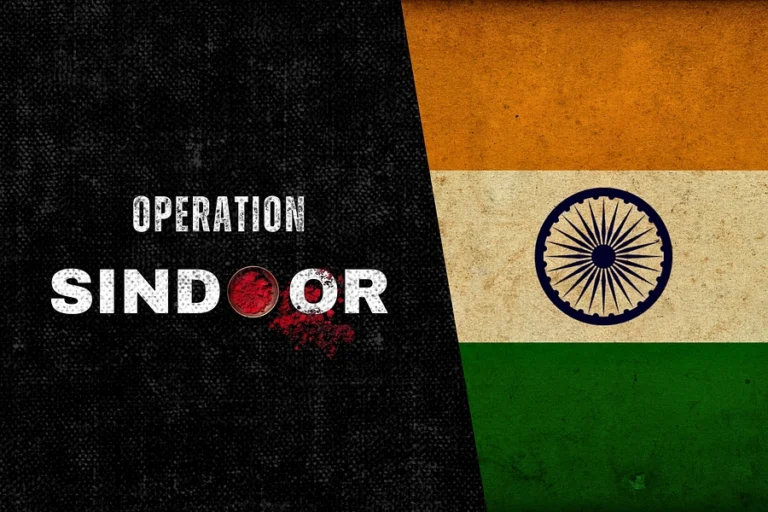
Operation Sindoor
Why in News?
Parliament’s Monsoon Session, starting July 21, 2025, is expected to feature intense discussion on Operation Sindoor, a May 7–10 military operation by India across the border into Pakistan–administered territories. The government, led by Parliamentary Affairs Minister Kiren Rijiju, invited all-party reflections to be shared in Parliament highlighting its significance.
Context
- Trigger event: On April 22, a terror attack at Pahalgam claimed 26 lives, which India attributed to Pakistan-based terrorist groups.
- Operation execution: Beginning the night of May 7, India launched a coordinated tri-service strike—air, missile, and drones—against nine terror-related targets across Pakistan and Line of Control (LoC) areas.
Scale and precision: The operation lasted ~23 minutes and reportedly neutralized 100+ terrorists, with no damage reported inside Indian territory.
Past Military Responses
- India’s previous strike, Operation Balakot (2019), targeted terror camps after the Pulwama attack. Like Balakot, Sindoor was portrayed as calibrated and coercive—military punishment with restraint, carefully avoiding escalation.
Pros
- Strong deterrent signal: A precise, swift response signaled India’s willingness to act decisively against terrorism.
- Technological maturation: Effective use of BrahMos missiles, loitering munitions, IAF jets, and indigenous systems demonstrates enhanced defence autonomy.
- Domestic morale boost: operation’s success, enhancing public morale and national unity.
- Low escalation: Avoidance of full-scale conflict in a nuclear-armed region illustrates disciplined crisis management.
Cons
- Risk of escalation: Pakistan claimed civilian casualties and retaliated with drone and artillery strikes, increasing the danger of tit-for-tat conflict.
- Misinformation surge: During and after Sindoor, both nations saw a wave of misleading and unverified reports, feeding public confusion.
- Short-term fix, long-term neglect? Security analysts argue military strikes must be accompanied by deeper policy shifts—like defence acquisition reform and strategic clarity—to avoid temporary gains.
Global Response
- Deterrence doctrine: Sindoor signals that India may absorb terrorist provocations and respond militarily with minimal escalation—a shift from anticipation to reaction capability.
- Arms modernization readiness: The operation showcased a reliance on homegrown systems and integration of drone technology.
- Civil-military coordination spotlight: Smooth execution highlights maturing inter-services synergy, though communication during crises needs improvement.
- Politics and symbolism: Naming and messaging link to cultural-patriotic themes, influencing parliamentary debate.
Implications
- Deterrence doctrine: Sindoor signals that India may absorb terrorist provocations and respond militarily with minimal escalation—a shift from anticipation to reaction capability.
- Arms modernization readiness: The operation showcased a reliance on homegrown systems and integration of drone technology.
- Civil-military coordination spotlight: Smooth execution highlights maturing inter-services synergy, though communication during crises needs improvement.
- Politics and symbolism: Naming and messaging link to cultural-patriotic themes, influencing parliamentary debate.
Way Forward
- Strategic review: Parliament must use this session to task a Joint Parliamentary Committee (like Kargil Review) to examine the operation’s planning, execution, communication, and strategic consequences.
- Policy reforms: Push for modernization of defence procurement, theater command footing, cyber-warfare readiness, and paramilitary oversight.
- Public communication safeguards: Establish rapid counter-disinformation mechanisms against fake news, elevating fact-checking processes.
- Diplomatic channels: Sustain crisis dialogue with Pakistan alongside pressure on terrorist networks and global consensus on terrorism non-proliferation.
Prelims MCQ
Q1. With reference to Operation Sindoor (2025), consider the following statements:
- It was a multi-service military operation involving air, naval, and ground forces.
- The operation minimally used the Akash teer in response to a terror attack in Punjab.
- It involved the use of indigenous precision-guided weapons, including the BrahMos missile.
Which of the statements given above is/are correct?
A. 1 and 3 only
B. 2 and 3 only
C. 1 only
D. 1, 2 and 3
Answer: A. 1 and 3 only
Explanation:
- Statement 1 – Correct. Operation Sindoor was coordinated by the Indian Air Force, Navy, and Army—a tri-service military action.
- Statement 2 – Incorrect. The operation was in response to a terror attack in Pahalgam, Jammu & Kashmir, not Punjab.
- Statement 3 – Correct. Indigenous systems like the BrahMos missile and loitering munitions were deployed in the operation.
Mains Question
Q. Does “Operation Sindoor marks a shift in India’s cross-border counter-terrorism doctrine by demonstrating precision, multi-domain coordination, and calibrated escalation control.”. Analyse (10 marks)
Related
Discover more from Primus Civil Services Academy
Subscribe to get the latest posts sent to your email.