

July 21st Current Affairs
Should I join coaching or can I do self-study for UPSC
Stay connected via Google News Follow us for the latest travel updates and guides. Home / Should I join coaching or can I do self-study for UPSC If you’re just starting your journey toward the <strong>Union Public Service Commission Civil Services Examination (UPSC)</strong>, you’ve probably asked yourself: <strong>“Do I need
Optional Subject Selection
Stay connected via Google News Follow us for the latest travel updates and guides. Home / Optional Subject Selection If you’re starting your journey for the <strong>Union Public Service Commission Civil Services Examination (UPSC)</strong>, one of the first big decisions you’ll face is: <strong>“Which optional subject should I choose?”</strong>
How Much Money Do You Really Need to Prepare for the UPSC Civil Services Examination?
Stay connected via Google News Follow us for the latest travel updates and guides. Home / How Much Money Do You Really Need to Prepare for the UPSC Civil Services Examination? <p>If you’re just starting UPSC preparation, one question always comes up: <em>“How much will it cost? Books, coaching, daily
How to avoid information overload from multiple sources for UPSC
Stay connected via Google News Follow us for the latest travel updates and guides. Home / How to avoid information overload from multiple sources for UPSC Preparing for the <strong>Union Public Service Commission Civil Services Examination (UPSC)</strong> can be exciting, but for beginners, it can also feel like trying to
How to make a study plan or timetable for UPSC exam
Stay connected via Google News Follow us for the latest travel updates and guides. Home / What is the right sequence to cover subjects (History first or Polity first) for UPSC? When starting UPSC preparation, one of the most common doubts is: <em>“Should I start with </em><em>History or Polity? </em><em>Which
ಬಾರಿಸು ಕನ್ನಡ ಡಿಂಡಿಮವ
Stay connected via Google News Follow us for the latest travel updates and guides. Home / ‘ಬಾರಿಸು ಕನ್ನಡ ಡಿಂಡಿಮವ’ ದೇಶದ ಪ್ರತಿಷ್ಠಿತ ಪರೀಕ್ಷೆ ಎಂದೇ ಹೆಸರಾಗಿರುವ ಕೇಂದ್ರ ಲೋಕಸೇವಾ ಆಯೋಗ ನಡೆಸುವ ಪರೀಕ್ಷೆಗಳನ್ನು ಬರೆದು ಉನ್ನತ ಹುದ್ದೆಯನ್ನು ಅಲಂಕರಿಸಬೇಕು ಎಂಬುದು ಹಲವರ ಕನಸು. ಕರ್ನಾಟಕದ ಕನ್ನಡ ವಿದ್ಯಾರ್ಥಿಗಳಿಗೆ ಅವಕಾಶಗಳು ಕಡಿಮೆ, ಉತ್ತೀರ್ಣರಾಗುವವರ ಸಂಖ್ಯೆಯೂ ಕಡಿಮೆ ಎನ್ನುವ ಮಾತಿದೆ. ಆದರೆ ಕನ್ನಡ ವಿದ್ಯಾರ್ಥಿಗಳಿಗೆ ಕನ್ನಡ
Operation Sindoor
Why in News?
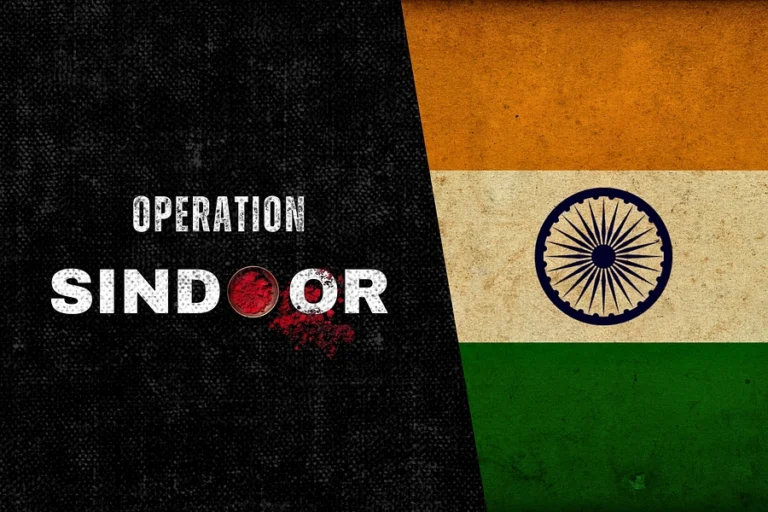
Parliament’s Monsoon Session, starting July 21, 2025, is expected to feature intense discussion on Operation Sindoor, a May 7–10 military operation by India across the border into Pakistan–administered territories. The government, led by Parliamentary Affairs Minister Kiren Rijiju, invited all-party reflections to be shared in Parliament highlighting its significance.
Context
- Trigger event: On April 22, a terror attack at Pahalgam claimed 26 lives, which India attributed to Pakistan-based terrorist groups.
- Operation execution: Beginning the night of May 7, India launched a coordinated tri-service strike—air, missile, and drones—against nine terror-related targets across Pakistan and Line of Control (LoC) areas.
Scale and precision: The operation lasted ~23 minutes and reportedly neutralized 100+ terrorists, with no damage reported inside Indian territory.
Past Military Responses
- India’s previous strike, Operation Balakot (2019), targeted terror camps after the Pulwama attack. Like Balakot, Sindoor was portrayed as calibrated and coercive—military punishment with restraint, carefully avoiding escalation.
Pros
- Strong deterrent signal: A precise, swift response signaled India’s willingness to act decisively against terrorism.
- Technological maturation: Effective use of BrahMos missiles, loitering munitions, IAF jets, and indigenous systems demonstrates enhanced defence autonomy.
- Domestic morale boost: operation’s success, enhancing public morale and national unity.
- Low escalation: Avoidance of full-scale conflict in a nuclear-armed region illustrates disciplined crisis management.
Cons
- Risk of escalation: Pakistan claimed civilian casualties and retaliated with drone and artillery strikes, increasing the danger of tit-for-tat conflict.
- Misinformation surge: During and after Sindoor, both nations saw a wave of misleading and unverified reports, feeding public confusion.
- Short-term fix, long-term neglect? Security analysts argue military strikes must be accompanied by deeper policy shifts—like defence acquisition reform and strategic clarity—to avoid temporary gains.
Global Response
- Deterrence doctrine: Sindoor signals that India may absorb terrorist provocations and respond militarily with minimal escalation—a shift from anticipation to reaction capability.
- Arms modernization readiness: The operation showcased a reliance on homegrown systems and integration of drone technology.
- Civil-military coordination spotlight: Smooth execution highlights maturing inter-services synergy, though communication during crises needs improvement.
- Politics and symbolism: Naming and messaging link to cultural-patriotic themes, influencing parliamentary debate.
Implications
- Deterrence doctrine: Sindoor signals that India may absorb terrorist provocations and respond militarily with minimal escalation—a shift from anticipation to reaction capability.
- Arms modernization readiness: The operation showcased a reliance on homegrown systems and integration of drone technology.
- Civil-military coordination spotlight: Smooth execution highlights maturing inter-services synergy, though communication during crises needs improvement.
- Politics and symbolism: Naming and messaging link to cultural-patriotic themes, influencing parliamentary debate.
Way Forward
- Strategic review: Parliament must use this session to task a Joint Parliamentary Committee (like Kargil Review) to examine the operation’s planning, execution, communication, and strategic consequences.
- Policy reforms: Push for modernization of defence procurement, theater command footing, cyber-warfare readiness, and paramilitary oversight.
- Public communication safeguards: Establish rapid counter-disinformation mechanisms against fake news, elevating fact-checking processes.
- Diplomatic channels: Sustain crisis dialogue with Pakistan alongside pressure on terrorist networks and global consensus on terrorism non-proliferation.
Prelims MCQ
Q1. With reference to Operation Sindoor (2025), consider the following statements:
- It was a multi-service military operation involving air, naval, and ground forces.
- The operation minimally used the Akash teer in response to a terror attack in Punjab.
- It involved the use of indigenous precision-guided weapons, including the BrahMos missile.
Which of the statements given above is/are correct?
A. 1 and 3 only
B. 2 and 3 only
C. 1 only
D. 1, 2 and 3
Answer: A. 1 and 3 only
Explanation:
- Statement 1 – Correct. Operation Sindoor was coordinated by the Indian Air Force, Navy, and Army—a tri-service military action.
- Statement 2 – Incorrect. The operation was in response to a terror attack in Pahalgam, Jammu & Kashmir, not Punjab.
- Statement 3 – Correct. Indigenous systems like the BrahMos missile and loitering munitions were deployed in the operation.
Mains Question
Q. Does “Operation Sindoor marks a shift in India’s cross-border counter-terrorism doctrine by demonstrating precision, multi-domain coordination, and calibrated escalation control.”. Analyse (10 marks)