

July 21st Current Affairs
UPSC Current Affairs – September 11th
Stay connected via Google News Follow us for the latest travel updates and guides. September 11th Current Affairs <a href=”https://primusias.com”>Home</a> / <h4> Table of Contents </h4> <svg aria-hidden=”true” viewBox=”0 0 448 512″ xmlns=”http://www.w3.org/2000/svg”><path d=”M207.029 381.476L12.686 187.132c-9.373-9.373-9.373-24.569 0-33.941l22.667-22.667c9.357-9.357 24.522-9.375 33.901-.04L224 284.505l154.745-154.021c9.379-9.335 24.544-9.317 33.901.04l22.667 22.667c9.373 9.373 9.373 24.569 0 33.941L240.971 381.476c-9.373 9.372-24.569
UPSC Current Affairs – September 10th
Stay connected via Google News Follow us for the latest travel updates and guides. September 9th Current Affairs <a href=”https://primusias.com”>Home</a> / <h4> Table of Contents </h4> <svg aria-hidden=”true” viewBox=”0 0 448 512″ xmlns=”http://www.w3.org/2000/svg”><path d=”M207.029 381.476L12.686 187.132c-9.373-9.373-9.373-24.569 0-33.941l22.667-22.667c9.357-9.357 24.522-9.375 33.901-.04L224 284.505l154.745-154.021c9.379-9.335 24.544-9.317 33.901.04l22.667 22.667c9.373 9.373 9.373 24.569 0 33.941L240.971 381.476c-9.373 9.372-24.569
UPSC Current Affairs – September 9th
Stay connected via Google News Follow us for the latest travel updates and guides. September 9th Current Affairs <a href=”https://primusias.com”>Home</a> / <h4> Table of Contents </h4> <svg aria-hidden=”true” viewBox=”0 0 448 512″ xmlns=”http://www.w3.org/2000/svg”><path d=”M207.029 381.476L12.686 187.132c-9.373-9.373-9.373-24.569 0-33.941l22.667-22.667c9.357-9.357 24.522-9.375 33.901-.04L224 284.505l154.745-154.021c9.379-9.335 24.544-9.317 33.901.04l22.667 22.667c9.373 9.373 9.373 24.569 0 33.941L240.971 381.476c-9.373 9.372-24.569
UPSC Current Affairs – September 8th
Stay connected via Google News Follow us for the latest travel updates and guides. September 8th Current Affairs <a href=”https://primusias.com”>Home</a> / <h4> Table of Contents </h4> <svg aria-hidden=”true” viewBox=”0 0 448 512″ xmlns=”http://www.w3.org/2000/svg”><path d=”M207.029 381.476L12.686 187.132c-9.373-9.373-9.373-24.569 0-33.941l22.667-22.667c9.357-9.357 24.522-9.375 33.901-.04L224 284.505l154.745-154.021c9.379-9.335 24.544-9.317 33.901.04l22.667 22.667c9.373 9.373 9.373 24.569 0 33.941L240.971 381.476c-9.373 9.372-24.569
UPSC Current Affairs – September 7th
Stay connected via Google News Follow us for the latest travel updates and guides. September 7th Current Affairs <a href=”https://primusias.com”>Home</a> / <h4> Table of Contents </h4> <svg aria-hidden=”true” viewBox=”0 0 448 512″ xmlns=”http://www.w3.org/2000/svg”><path d=”M207.029 381.476L12.686 187.132c-9.373-9.373-9.373-24.569 0-33.941l22.667-22.667c9.357-9.357 24.522-9.375 33.901-.04L224 284.505l154.745-154.021c9.379-9.335 24.544-9.317 33.901.04l22.667 22.667c9.373 9.373 9.373 24.569 0 33.941L240.971 381.476c-9.373 9.372-24.569
UPSC Current Affairs – September 4th
Stay connected via Google News Follow us for the latest travel updates and guides. September 4th Current Affairs <a href=”https://primusias.com”>Home</a> / <h4> Table of Contents </h4> <svg aria-hidden=”true” viewBox=”0 0 448 512″ xmlns=”http://www.w3.org/2000/svg”><path d=”M207.029 381.476L12.686 187.132c-9.373-9.373-9.373-24.569 0-33.941l22.667-22.667c9.357-9.357 24.522-9.375 33.901-.04L224 284.505l154.745-154.021c9.379-9.335 24.544-9.317 33.901.04l22.667 22.667c9.373 9.373 9.373 24.569 0 33.941L240.971 381.476c-9.373 9.372-24.569
India’s milestone in clean energy transition
Why in News?
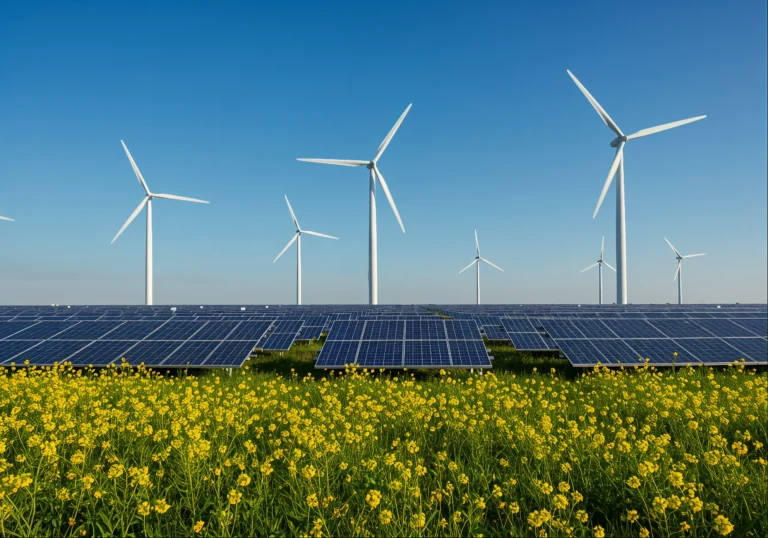
India achieved a milestone by surpassing the 50 % threshold in non‑fossil fuel installed power capacity as of June 2025—five years ahead of its 2030 target under the Paris Agreement. This marks a significant shift toward sustainable energy.
Context
- Paris NDC (2015): India committed to 40 % non‑fossil capacity by 2030; target raised to 50 % in 2022.
- Installed capacity stood at ~485 GW: 185 GW renewables, 49 GW large hydro, 9 GW nuclear; thermal (coal & gas) accounted for ~242 GW.
- Rapid deployment of solar and wind enabled large-scale capacity addition: 28 GW added in 2024 and over 16 GW by May 2025 alone.
- Growth driven by declining technology costs, supportive policies, and subsidies.
Implications
- Installed vs actual generation: Non-fossil sources now 50 % by capacity but contribute ~24 % of electricity produced; coal still dominates generation (~70 %)
Highlights integration challenges: electrical storage, grid stability, and responsive dispatch systems are essential.
Regional Spread in India
- Gujarat leads solar rooftop implementation with 3.36 lakh installations (~1,232 MW), saving significant coal and CO₂ emissions.
- Schemes like PM Surya Ghar Muft Bijli Yojana (launched Feb 2024) enable rooftop solar with subsidies (up to 60 % for 2 kW, and 40 % for 2–3 kW systems).
Benefits for the World
- Positions India as a global climate leader, reinforcing its NDC ambitions.
- Contributes to global decarbonisation and energy transition efforts, encouraging foreign investment and technology transfer.
Way Forward
Focus Area | Key Measures |
Grid Resilience | Modernize transmission, build storage capacities (batteries, pumped hydro) |
Policy Support | Strengthen subsidies, promote green hydrogen, encourage storage technologies |
Rooftop Solar | Scale PM Surya Ghar—target 1 crore households, streamline implementation |
Battery & Recycling | Promote battery storage and recycling for sustainable lifecycle |
Coal Transition | Phase out old plants; use flexible fossil plants & carbon capture tech |
Regional Equity | Support renewable deployment across diverse states, ensure local benefits |
Conclusion
India’s achievement of over 50 % non-fossil installed capacity ahead of schedule reflects a robust clean energy push but also reveals the gap in actual power generation. Moving forward, India must focus on grid modernization, energy storage, equitable rooftop solar expansion, and transitioning fossil fuel dependency to fully realize its renewable potential and meet its NDC and net‑zero aspirations.
Prelims MCQ
Q. With reference to India’s renewable energy transition and international commitments, consider the following statements:
- India achieved its target of 50% non-fossil fuel-based installed power capacity under the Paris Agreement well before the 2030 deadline.
- The International Solar Alliance (ISA), headquartered in India, is open only to countries located between the Tropic of Cancer and the Tropic of Capricorn.
Which of the statements given above is/are correct?
A. 1 only
B. 2 only
C. Both 1 and 2
D. Neither 1 nor 2
Answer: A. 1 only
Explanation:
- Statement 1 is correct. As of June 2025, India has surpassed the 50% mark in non-fossil fuel installed power capacity—five years ahead of its 2030 Paris Agreement target.
- Statement 2 is incorrect. The International Solar Alliance (ISA) was initially conceived for countries between the Tropics, but amendments have since opened membership to all UN countries, regardless of geographic location. ISA is headquartered in Gurugram, India.
Mains Question
Q. What is the significance of India crossing 50% non-fossil fuel power capacity ahead of target? Examine the challenges and suggest measures for an effective clean energy transition. (15 marks, 250 words)
Related
Discover more from Primus Civil Services Academy
Subscribe to get the latest posts sent to your email.